To what skin changes one should pay attention to
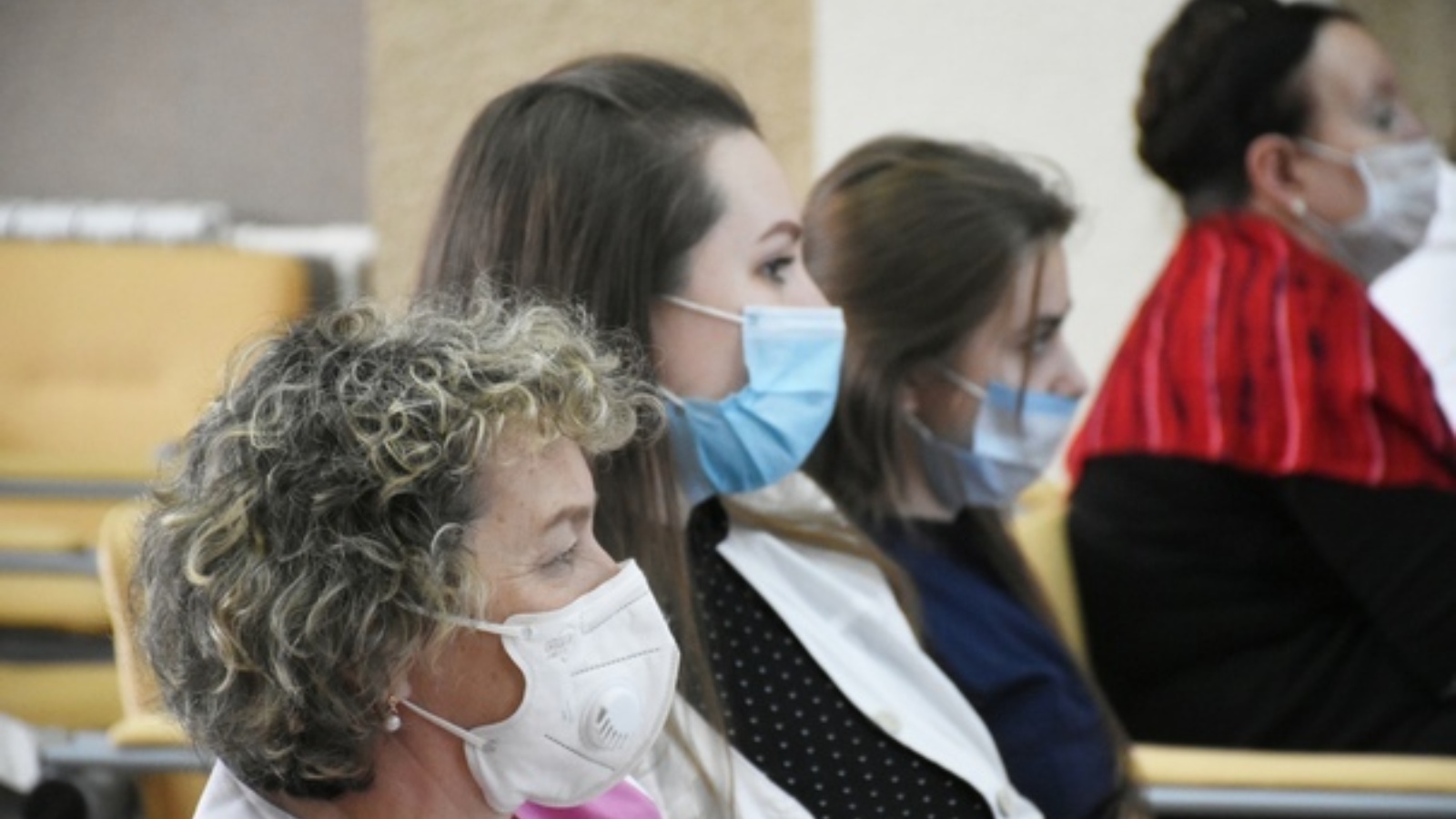
The chief doctor of the Dermato- Venereology Dispensary, Alexander Karpov, met with the therapists of both clinics of the Nizhnekamsk CRMH to remind them what skin changes doctors need to pay attention to when examining a patient. This year, in the second stage of medical examination, there is an innovation – if there is a suspicion of cancer of the skin, the patient is sent to a dermatologist for consultation and with a dermatoscopy screening. This is a diagnostic method by which the skin is examined under such an increase that the color and structure of the epidermis, the dermoepidermal junction and the papillary layer of the dermis become visible, which are impossible to see all with the naked eye.
Therefore, A. Karpov reminded about the most common malignant skin diseases – melanoma, which quickly metastasizes and is the most malignant tumor, and basilioma, which is most often found in the elderly, and its most frequent localization is the face and scalp. The doctor also spoke about the manifestations of squamous cell cancer, Kaposi's sarcoma, seborrheic keratoma, pigmented nevi and other diseases.
“During the medical examination, the patient himself can draw the attention of the therapist to what is bothering him, for example, the color or size of a mole has changed, or flaky spots or ulcers have appeared on the body,“ Dr. Karpov advised. “Women should pay attention to moles or birthmarks that are often exposed to mechanical action, for example, in the place where the bra or chain is located. Men often cut off moles on the face during shaving. It is better to be discussed with the doctor as well. In any case, it is easy to see changes on your skin. They are always on the surface, unlike diseases of the stomach or intestines, when examinations are carried out with the help of special endoscopic equipment. Paying attention to your health will help you notice negative changes in time, take action and heal.