Gadgets and physical activity
Modern technology has become an important part of everyday life. Smartphones, tablets, and computers are used for learning, communication, and entertainment. One extreme amount of time spent in front of a screen can negatively affect a child's physical and emotional state.
Prolonged use of gadgets often leads to a decrease in physical activity. The child spends more time sitting, which gradually forms a sedentary lifestyle. This can contribute to the development of excess weight, decreased endurance, and damaged posture. In addition, prolonged exposure to the screen can cause eye fatigue, headaches, and impaired concentration.
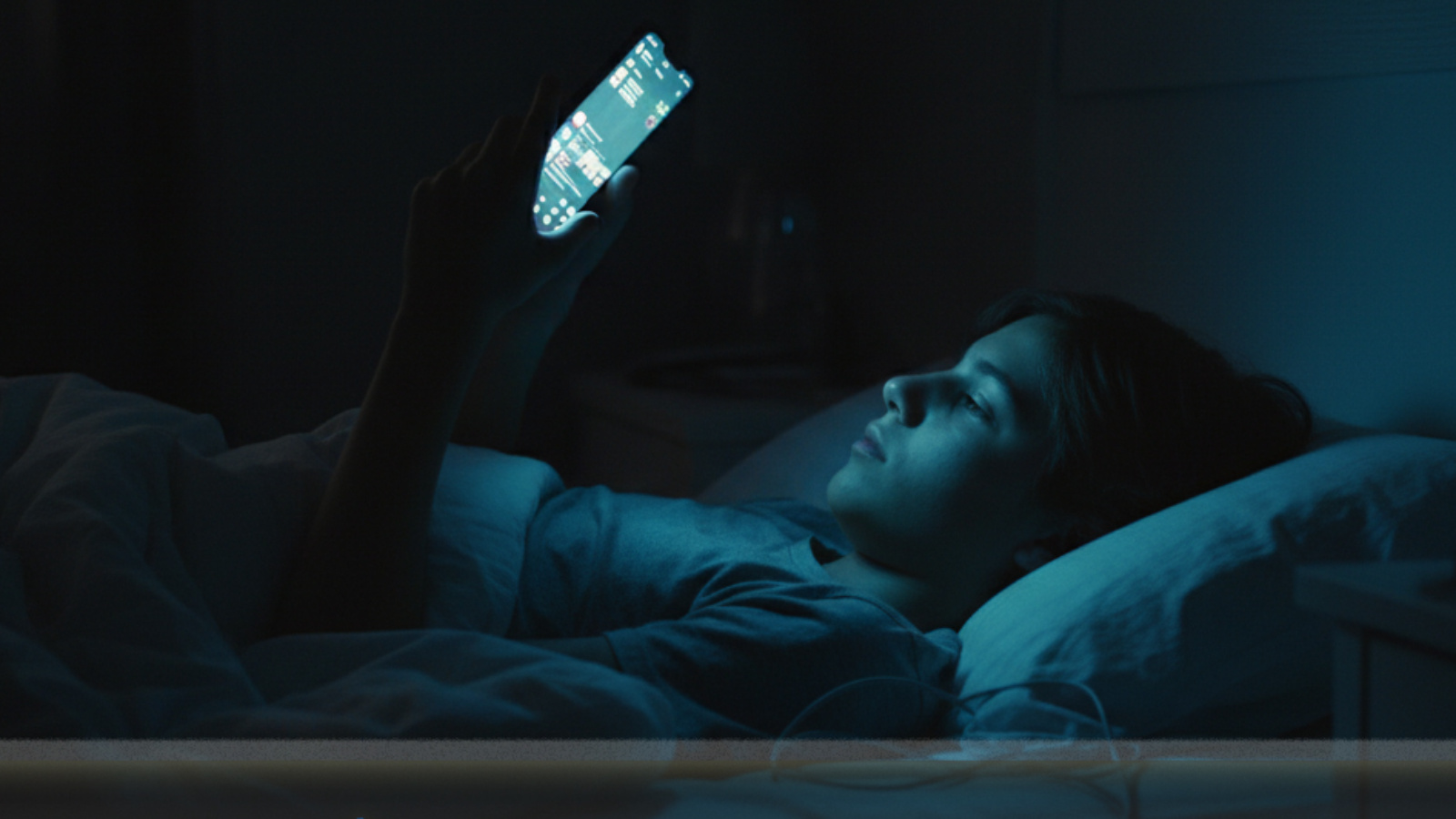
It is especially important to pay attention to the use of gadgets in the evening. Watching videos, playing games, or chatting on social media before bedtime can prevent the body from preparing for rest. Bright light from screens reduces the production of melatonin, a hormone that regulates the sleep-wake cycle. As a result, it becomes more difficult for the rib to fall asleep, and the quality of sleep deteriorates.
Experts recommend limiting screen time: for younger students – up to about 1.5 hours a day, for teenagers – up to 2-3 hours. It is also advisable to stop using electronic devices 1-2 hours before bedtime.
The lack of movement remains an equally serious problem. Physical activity is necessary for the normal growth and development of a child's body. Regular walks, outdoor games, sports and other active leisure activities strengthen the cardiovascular system, help maintain a healthy weight and improve overall well-being.