Pediatrician's tips for the New Year holidays
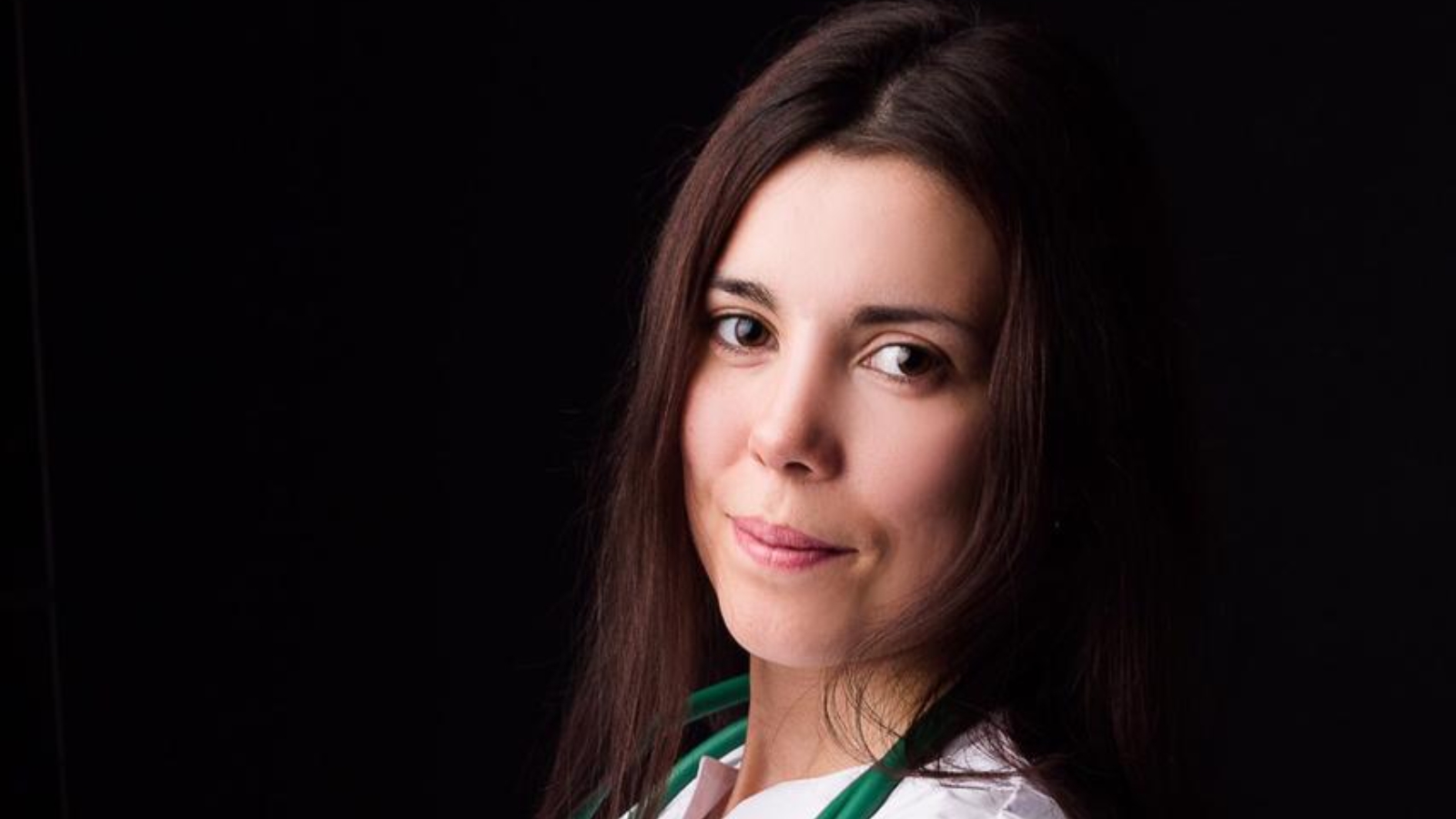
The long-awaited "New Year" is coming, a holiday that not only children, but also adults are waiting for. Along with it comes the time of the New Year holidays. Gulina Garayeva, a pediatrician of the Children’s City Hospital with the Perinatal Center of Nizhnekamsk, has prepared some useful tips on how to spend this time usefully and return to the beginning of a new academic quarter without stress and harm to health.
* Walks, games and outdoor sports activities are the best rest, which is so lacking during the school studies. For many children, outdoor walking is limited to the road to school and back. Therefore, during the holidays, it is necessary to compensate for the lack of staying in the fresh air.
Fresh frosty air contains elevated levels of oxygen. This improves health, brain function, mood, appearance.Winter walks significantly strengthen the immune system.Walking in cold weather helps to fight headaches and strengthen the heart.Winter air in the evening provides a better sleep.
Low temperature supports the tone of the nervous system, which increases the resistance to stress.
The air in winter cools the skin, saturates it with a large amount of oxygen. It makes the skin smooth and elastic.
• During the holidays, it is necessary to take care of the safety of the child, especially in cases when he is left without adult supervision. Remember that the risk of injury increases during the holidays. The reason for this is slippery roads, ice-covered ground, as well as sledding, skiing, skating. Make sure that all sports equipment is properly and in perfect order. Be sure to instruct your children on how to behave while riding with sports equipment. Talk about how dangerous it is to ride near the roadway. Do not leave children unattended.
* During the holidays, the children's daily routine may be disrupted. The time when the child goes to bed, has breakfast, lunch, dinner, walks should remain the same as on regular school days. Small deviations from the daily routine are possible, but within reasonable limits. Keep track of the time that the child spends on the computer, TV, gadgets. If the schedule is not observed, it will be more difficult to switch to the usual training rhythm and this will become a stress for the child.
* Another significant point is food during the holidays. Winter holidays coincide with the holidays that we love, wait for and set the tables on this occasion with delicious, but not very healthy dishes. In addition, children receive large amounts of sweet gifts for the New year. To avoid exacerbations of allergies, gastrointestinal diseases (exacerbation of gastritis, pancreatitis, biliary dyskinesia, etc.), it is not necessary to feed the child with high-fat, sweet, smoked products, carbonated drinks, citrus fruits. Add more vegetables, greens, meat, fruits, and dairy products to your diet. Make sure that the child does not eat dry food and follows the diet.
* Do not forget about preventive measures, especially during the period of epidemiological distress. It is mandatory to wear masks in public places. When returning from crowded places, do not forget about the rules of personal hygiene: wash your hands and face well, rinse your nose with a mild saline solution, rinse with water your mouth and throat.
* Do not forget about daily intake of vitamin D in a preventive dosage. As much as vitamin D is synthesized in the body under the influence of sunlight, and in winter the light day is very short, and there are very few sunny days, during this period we experience a lack of it. People with vitamin D deficiency are most vulnerable to various illnesses, they often have a constant feeling of fatigue, drowsiness, lack of energy and bad mood, the condition of the skin and hair worsens.