About the risks of developing cancer in children
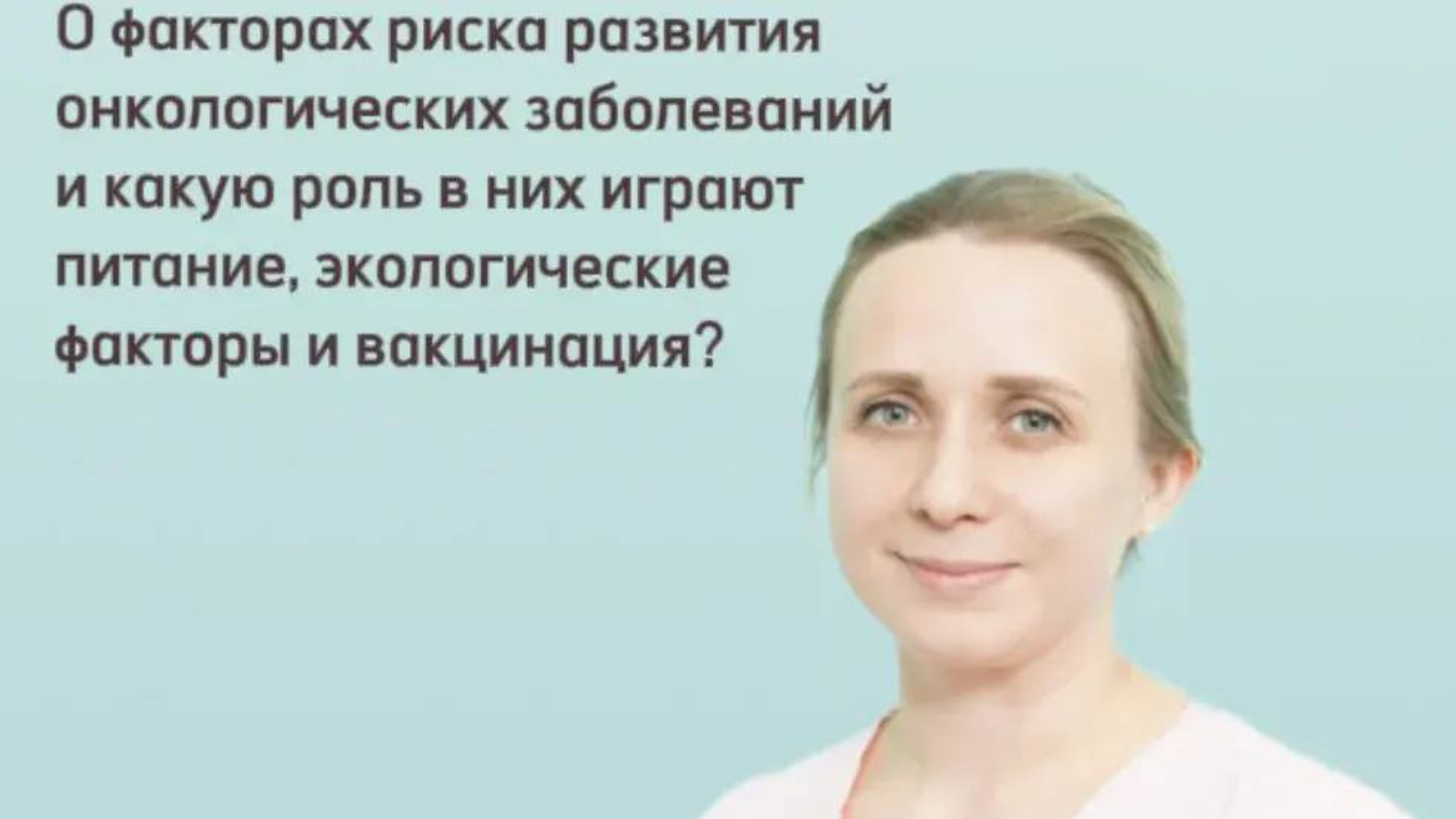
Doctor Tatiana Yurievna Maksimova, oncologist-hematologist , answered important questions that concern many parents.
1. What risk factors for cancer in children are considered significant today and which of them can be prevented at the family and lifestyle levels?
— First of all, it is necessary to understand that in 90% of cases oncological diseases in children are not related to lifestyle. However, there are factors that can reduce a child's risk of developing cancer.
First, it is the proper planning and management of pregnancy. Secondly, the mother's refusal to smoke, take alcoholic beverages, as well as constant exposure to chemicals.
In 10% of cases, a child may have a syndrome of predisposition to tumors and diseases. For example, if a parent had cancer at a young age or in childhood, then the child born to this couple should consult with a geneticist.
2. Are there effective measures for the primary prevention of childhood cancer, and what role do nutrition, environmental factors, and vaccination play in them?
— Carrying out preventive examinations, control formations in a child, including performing an ultrasound examination, play a role in the primary prevention of childhood oncological diseases.
There are preventive vaccines against viruses that can cause cancer. Two examples of vaccines:
Human papillomavirus (HPV) vaccine. Some HPV strains can cause cervical cancer.
The hepatitis B vaccine prevents infection with the virus, which can lead to liver cancer.
Excessive UV radiation increases the risk of developing melanoma in the future.
3. What recommendations can you give parents for the formation of a child's habits and living conditions that help reduce cancer risks?
— Creating a healthy environment: complete smoking cessation in the presence of children, balanced nutrition (vegetables, fruits, whole grains, protein products), regular physical activity (daily walks, sports sections), safe sun (use children's sunscreens with SPF 50, wear hats, limit sun exposure).
Attention to alarming symptoms: prolonged uncontrolled or unexplained fever, enlarged lymph nodes, pain syndrome may be indirect signs that you need to see a doctor.