Vaccination is part of the medical staff's equipment
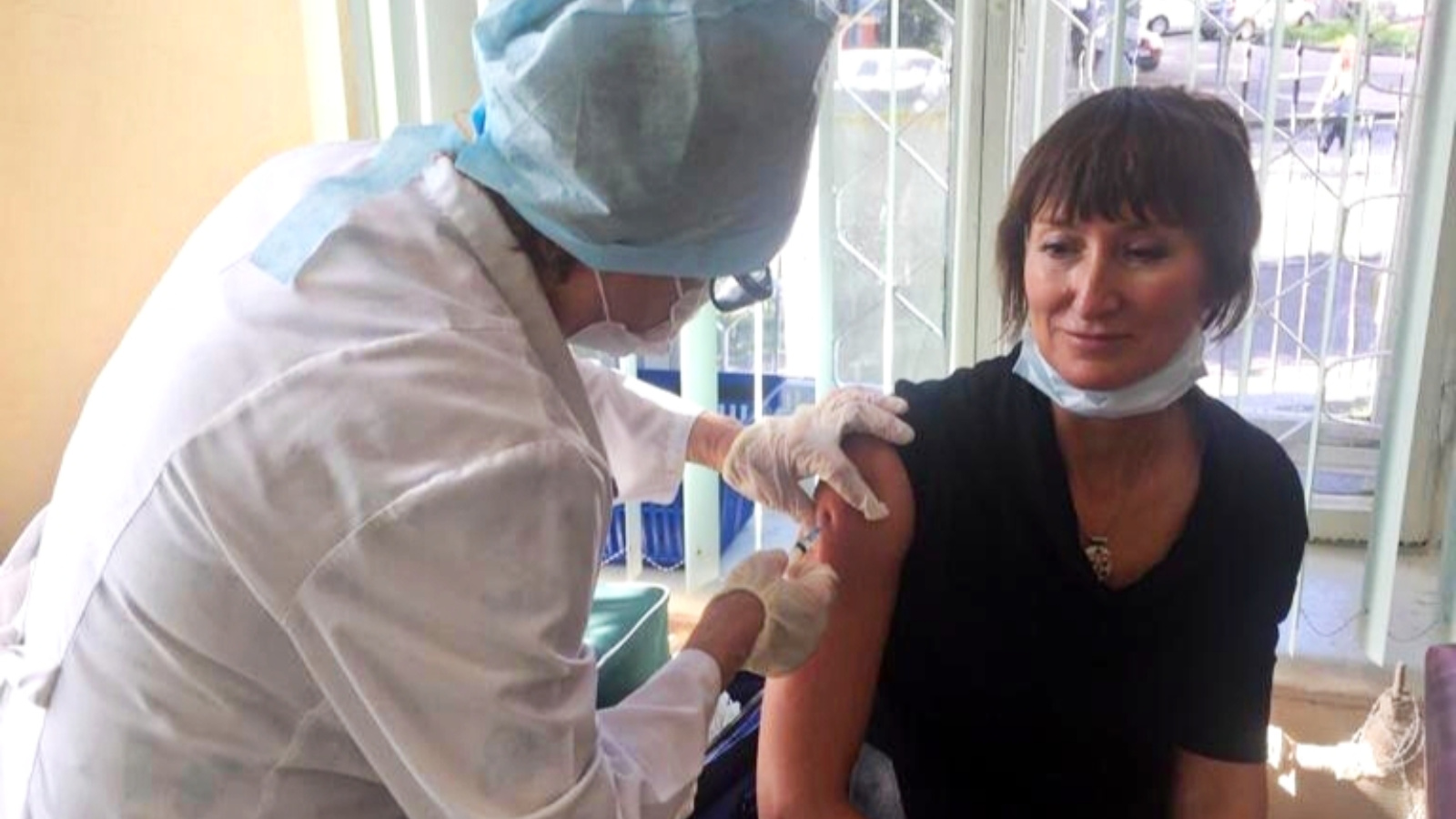
Every week, medical workers come into contact with non-invasive groups of patients with weakened immune systems, chronic, autoimmune diseases, which means that the health of patients directly depends on the health of people in white coats.
According to WHO, the risk of contracting infectious diseases among health workers is 3-5 times higher than among representatives of other professions. For example, the risk of infection with viral hepatitis with an accidental needle prick ranges from 10 to 30%, and the risk of influenza infection is up to 50%.
Vaccination of medical staff protects not only the employees themselves, but also reduces the risk of transmission of infections from staff to patients. Depending on the nosology, the nosocomial morbidity of patients decreases from 34% to 51%.
In 2025, 954 employees were vaccinated, which was 78.9%. Vaccination coverage against hepatitis b, diphtheria and tetanus, measles, rubella is 99-100%.
Since 2015, the Kazan dispensary has started research to determine the protective level of antibodies to viral hepatitis in employees who have contact with biological fluids for their subsequent revaccination.