From January 11 to January 20, a ten-day campaign on the prevention of respiratory diseases is held
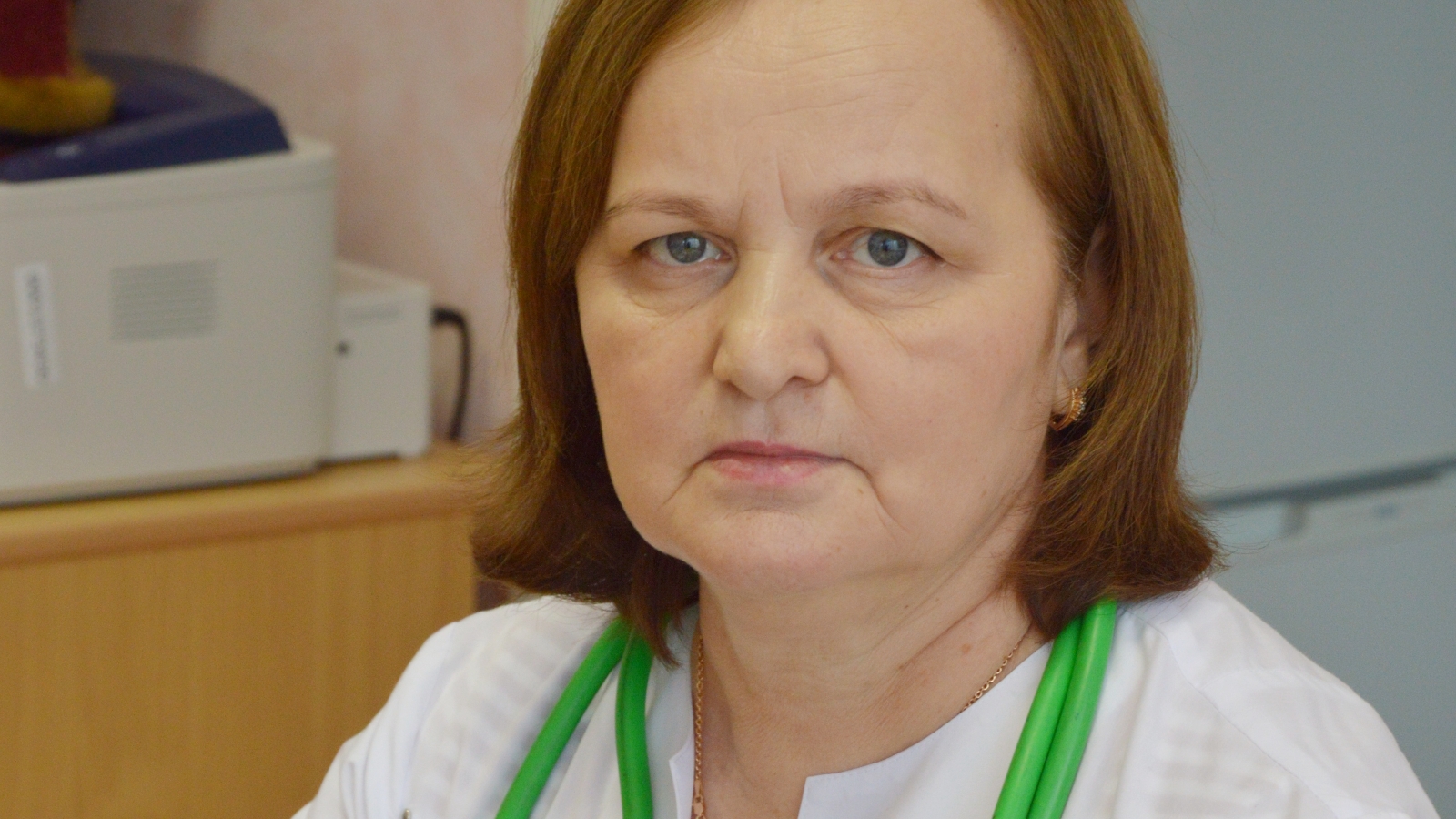
Lyalya Ilgizarovna Yunusova, head of the Department of Pulmonology of the Children's City Hospital with a Perinatal Center, spoke about the causes of such diseases in children and methods of their prevention.
"Respiratory diseases account for up to 90 % of all infectious diseases in childhood. The highest incidence of acute respiratory infections is observed among children of the first 3 years of life. Respiratory viruses, enteroviruses, coronaviruses, numerous bacteria, and so-called atypical microorganisms, such as chlamydia, mycoplasma, and fungi can act as pathogens.
The occurrence of frequent respiratory diseases contributes to an increased number of contacts with sources of infection. The factors listed below play the most significant role.
-Defects in child care, such as poor nutrition and daily routine, contribute to increasing the child's body's susceptibility to infections.
- Passive smoking should be particularly noted as one of the factors contributing to increased bronchial hyperreactivity.
- Irrational use of various medicines, unjustified use of antibiotics, antipyretics remains a significant factor.
- Children with allergies are prone to frequent respiratory infections.
A medical rehabilitation complex of children includes a rational regime of the day and nutrition, cold acclimatization training, general strengthening, and therapeutic physical education. It is necessary to exclude classes and games that lead to overwork and overexcitation of the child, increase sleep duration by 1-1. 5 hours, limit travel in transport. Be sure to include fresh vegetables and fruits in the diet, with insufficient consumption of which it is necessary to use vitamin and trace element preparations. Tempering procedure needs to be combined with the exercises and massage of the chest. It is recommended to systematically carry out the so-called foot rubbing therapy, a massage of the feet with the palm, fingertips, or fingers folded into a fist.
To improve health, it is essential to systematically conduct special complexes of physical therapy, respiratory gymnastics to ensure good drainage of the bronchi and increase the respiratory muscles' tone.
The main methods of increasing the child's resistance to infectious agents are vaccination and cold acclimatization training. It is crucial to create a stimulating temperature environment, weather-appropriate clothing, and an appropriate apartment temperature (18-20 degrees Celcius). It is necessary to start acclimatization from the first weeks of life. These are air baths during swaddling, gymnastics before bathing. After the bath, it is appropriate to rinse the child with water with a temperature lower than the water in the bath, start with a temperature of 32-34 degrees Celsius. After rinsing, the child should be rubbed with a towel. In the second year of life, daily washing of the feet with cool water can be added to the dousing. Procedures begin with a water temperature of 27-28 degrees, reducing it every 1-2 days. A contrasting shower has a good acclimatization effect, specifically the change of water temperatures, from 40 degrees Celcius up to 14-15 degrees for 30-40 seconds. Any developing cold resistance procedure should cause positive emotions in the child. If the baby is shivering, afraid, it is not necessary to insist on continuing the process. Be healthy!”