Sunny people: March 21 is the International Day of People with Down Syndrome
International Day of People with Down Syndrome is celebrated on March 21. This date was chosen by the UN General Assembly for a reason: the 21st day of the third month of the year symbolizes trisomy of the 21st chromosome, a genetic feature in which an extra 47th chromosome is present in the body's cells instead of the usual 46.
This condition was first described by British physician John Langdon Down in 1866, but it was not until the middle of the 20th century that its genetic nature was finally proven.
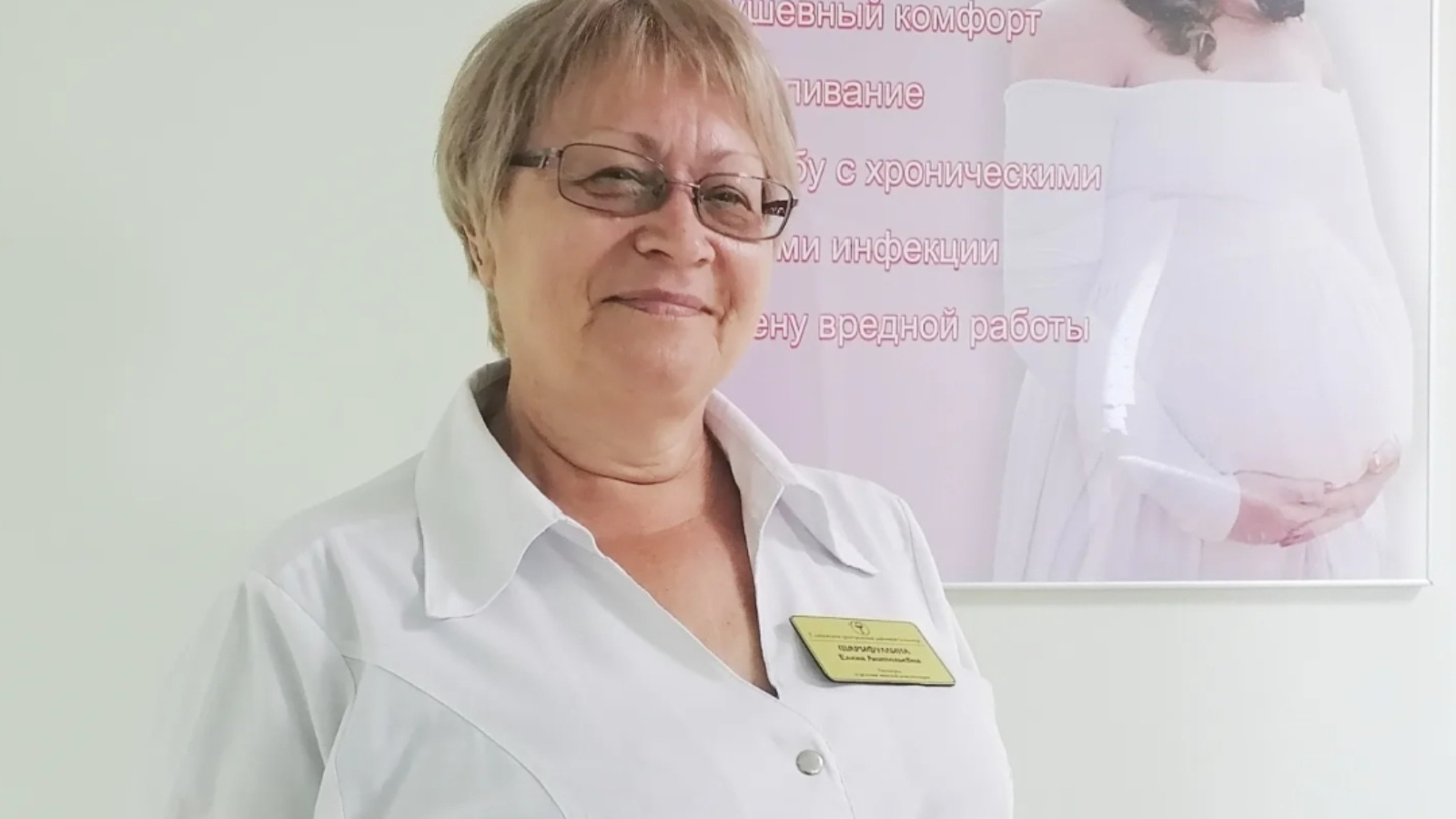
Yelabuga CDH midwife Elena Sharifullina joins the coverage of this important date. She recalls that modern medicine pays great attention to early diagnosis. Today's prenatal screening makes it possible to identify risk groups at the earliest stages of pregnancy. Although statistics show that the risk of having a child with Down syndrome increases with the age of the mother, such children appear in families of very different ages and social status in about one case per 650-700 newborns.
It is important to understand that Down syndrome is not a disease that can be cured, but a congenital condition. About 50% of these children have concomitant pathologies, most often congenital heart defects or disorders of the gastrointestinal tract, which requires a multidisciplinary approach by doctors. However, children with this syndrome are often referred to as "sunny" for their amazing kindness, openness, and friendliness.